The Clothes You Wear, The Lives They Touch: Fast Fashion Uncovered
When you grab a bargain-priced garment or chase the latest trend, the true cost is often invisible—but it’s very real. It’s carried by people and the planet, both paying a heavy price.
The Human Toll
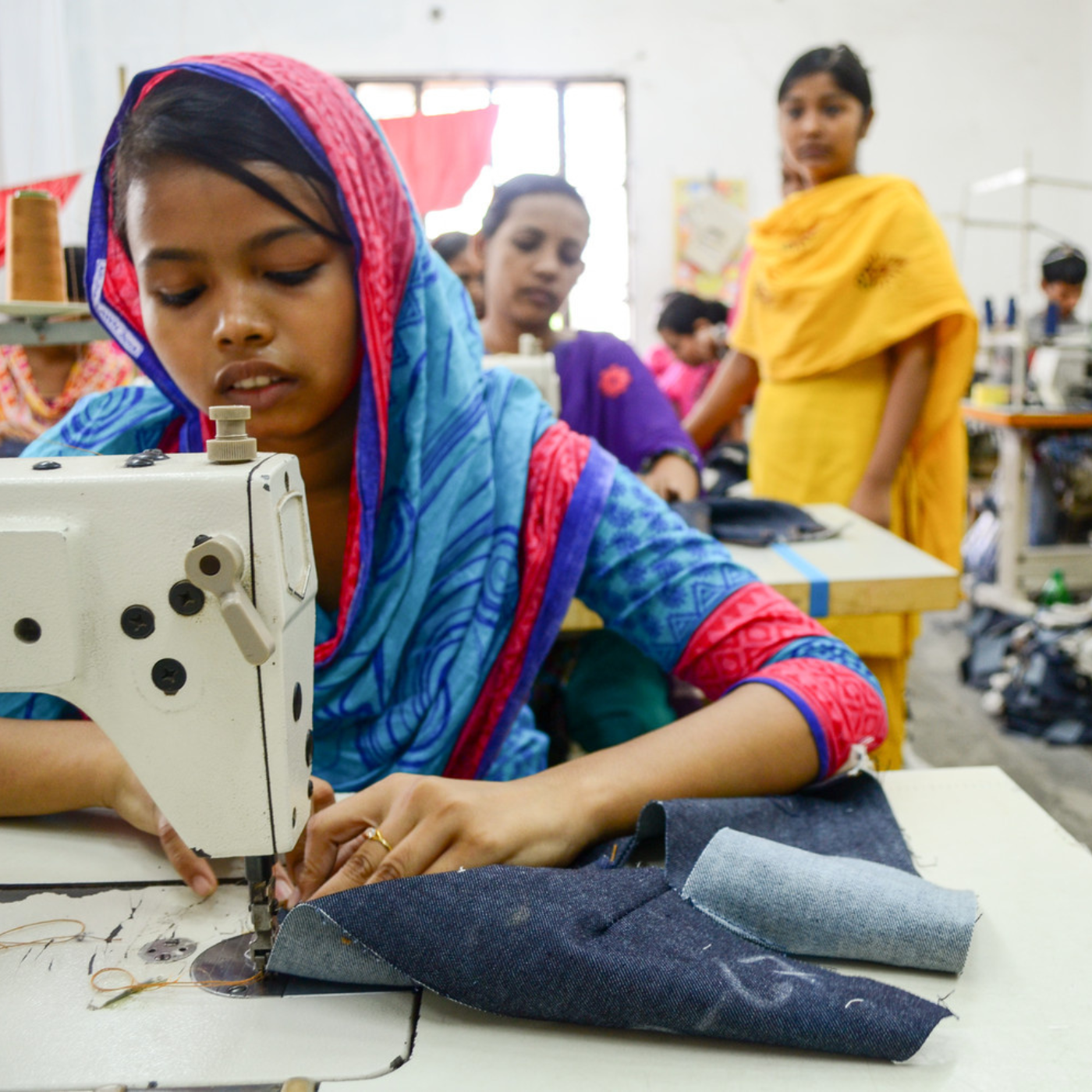
Millions of workers around the world produce garments under unsafe and exploitative conditions. Children are often forced into factories, missing school and deprived of their childhood. Adults endure long hours, unsafe machinery, and meager wages—all so companies can churn out cheap, disposable fashion.
Every fast-trend piece comes with a story of lost childhoods, compromised health, and stolen dignity. For young people who chase the latest “sheen” on social media, it’s easy to forget the real lives behind their wardrobe. Fast fashion thrives on this invisibility.
When Trash Is Shipped: Exporting Waste to Vulnerable Communities
Rather than dealing with massive waste internally, many wealthier nations export worn-out clothes and unsold inventory overseas. Much of it ends up in countries in Africa or Asia—not for reuse, but as waste.
-
In 2019, a large portion of second-hand and unsold textile exports from Europe ended up in African countries, with 30–40% becoming unsellable and dumped. (Time)
-
Communities who had nothing to do with producing these garments often bear the burden—pollution, overflowing dumps, and environmental harm.
Landfills, Rivers & Oceans: The Environmental Fallout
Globally, the fashion and textile industry generates tens of millions of tonnes of waste per year. A 2025 report estimated that 92 million tonnes of textile waste are produced annually worldwide. (UNEP)
Much of this waste ends up in landfills, where textiles take decades to decompose, releasing greenhouse gases. In places like East Africa, synthetic and low-quality clothes from global exports are dumped, burned, or swept into waterways—polluting ecosystems and harming public health. (Greenpeace)
Throwaway Culture Makes It Worse
Clothes are often worn only a few times before being discarded. The number of wears before disposal has dropped significantly over the past 15 years. (Cantarelli Ethical World)
This rapid turnover amplifies waste, creating a cycle of environmental damage and human exploitation.
What You Can Do: Conscious Choices That Make a Difference
Consumers hold immense power: every purchase is a vote.
-
Pause before you buy: Do you really need this piece?
-
Support responsible brands: Choose companies that prioritize fair labor practices and environmental restoration.
-
Value quality over quantity: Buy durable pieces instead of disposable trends.
-
Reuse, repair, repurpose: Give your garments a longer life before discarding.
-
Be aware of second-hand imports: Not all “cheap thrift” items are helping—some contribute to waste in vulnerable regions.
Every conscious choice is a step toward breaking the cycle of exploitation and environmental harm.
Why This Matters: Justice & Earth Are Intertwined
Fast fashion is both an environmental and a justice issue. When waste gets exported to countries that lack infrastructure, communities pay the price—facing pollution, overflowing landfills, and degraded ecosystems.
The lifecycle of clothing doesn’t end at the store or closet. It extends across continents and communities. By being aware and making intentional choices, we acknowledge that every thread matters.

De Chantel Arcand