The Clothes You Wear, The Lives They Touch: Fast Fashion Uncovered
Fast Fashion & Conscious Style: Why It Matters
Fast fashion has hidden costs—for people, communities, and the planet. Every bargain-priced garment or fleeting trend carries consequences, often invisible to the shopper. Understanding these impacts can help you make ethical fashion choices and support statement accessories that reflect your personal style and values.
The Human Toll of Fast Fashion
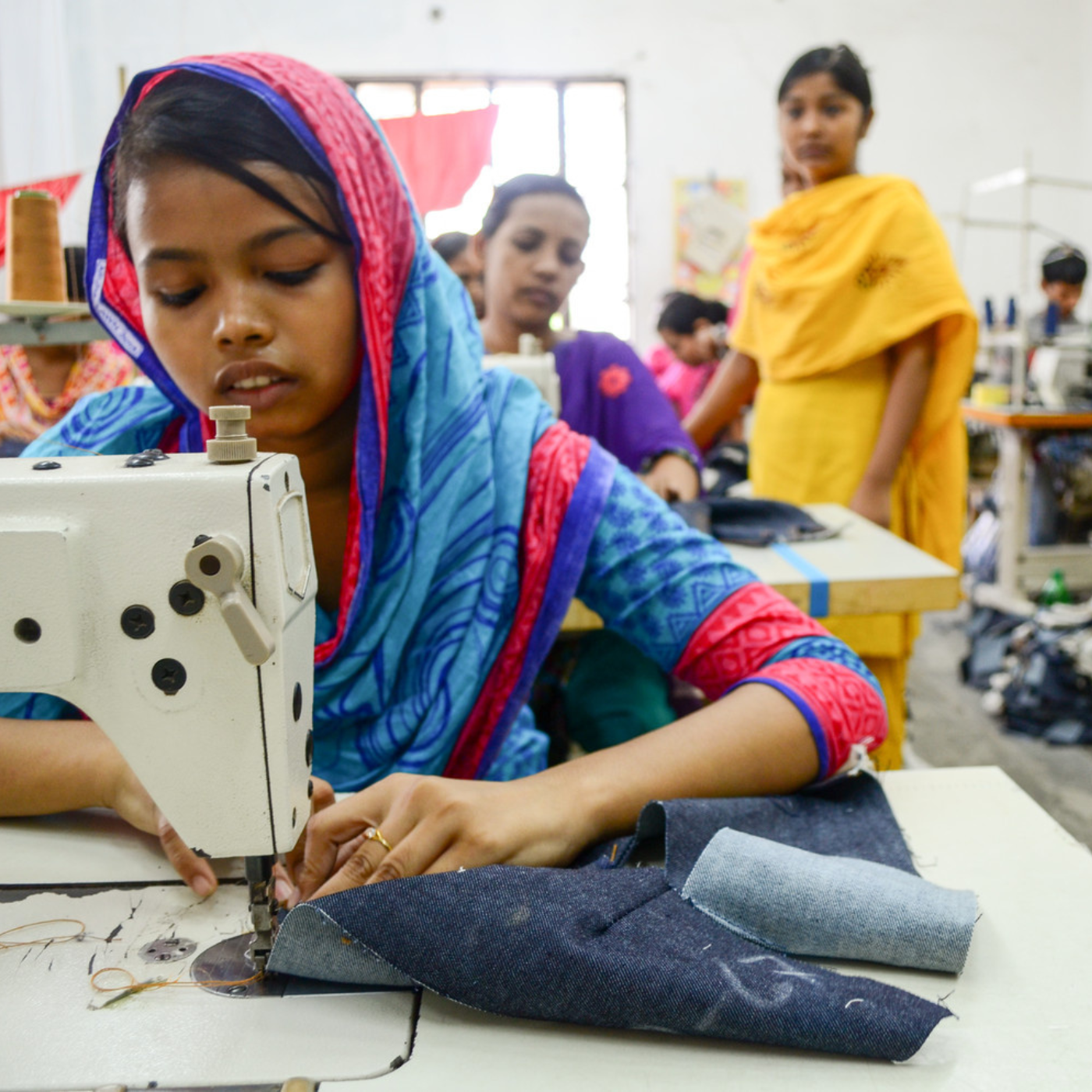
Millions of workers worldwide produce garments under unsafe and exploitative conditions. Children are often forced into factories, missing school and losing a childhood they deserve. Adults endure long hours, unsafe machinery, and meager wages—all to churn out cheap, disposable clothing.
Every fast-trend piece comes with a story of lost childhoods, compromised health, and stolen dignity. Fast fashion thrives on this invisibility, while social media often glorifies the latest trends.
For brands and products you support, ask yourself: Who made this? Were they paid fairly? Is this garment something I’ll wear beyond a single season?
Exporting Waste: The Environmental Cost
Many wealthy nations export worn-out clothes and unsold inventory to countries in Africa or Asia. In 2019, a large portion of second-hand and unsold textile exports from Europe ended up in Africa—30–40% became unsellable and were dumped. (Time)
Communities who didn’t produce these garments bear the environmental burden: pollution, overflowing dumps, and harmful chemicals entering rivers and soil.
Landfills, Rivers & Oceans: The Global Impact
Globally, the fashion and textile industry generates tens of millions of tonnes of waste annually. A 2025 report estimated 92 million tonnes of textile waste worldwide (UNEP). Much of it ends up in landfills, where textiles can take decades to decompose, releasing greenhouse gases. In some regions, synthetic and low-quality textiles are burned or washed into waterways, polluting ecosystems and impacting public health (Greenpeace).
Throwaway Culture and Its Role in Waste
Clothes today are worn fewer times before disposal than 15 years ago (Cantarelli Ethical World). This “throwaway culture” amplifies environmental damage and human exploitation. Fast fashion relies on constant trends to encourage buying, discarding, and repeating the cycle.
How You Can Shop Consciously
Consumers have immense power—every purchase is a vote. Here are ways to make intentional fashion choices:
-
Pause before you buy: Do you really need this item?
-
Support responsible brands: Choose companies that prioritize fair labor practices and ethical sourcing. Learn about Inara Hat Co.’s approach here.
-
Value quality over quantity: Buy durable garments and statement accessories that last beyond a season.
-
Reuse, repair, repurpose: Extend the life of clothing and accessories before discarding.
-
Be aware of second-hand imports: Not all “cheap thrift” items reduce waste—some contribute to it in vulnerable regions.
Every choice matters. Even small, conscious decisions can break the cycle of exploitation and environmental harm.
Why Ethical Fashion Matters
Fast fashion isn’t just an environmental issue—it’s a justice issue. The lifecycle of clothing spans continents, touching communities, ecosystems, and lives. By being mindful about what we wear, we acknowledge that the clothes you choose are a reflection of your values.
At Inara Hat Co., we believe every piece you wear—whether a statement hat, accessory, or garment—can carry intention. Selecting ethically sourced items supports fair wages, thoughtful production, and self-expression that aligns with your values. Learn more about our sourcing and ethics here.
Bringing Conscious Style to Your Wardrobe
By choosing pieces with care, whether it’s boho fashion hats, timeless accessories, or intentionally selected clothing, you create a wardrobe that speaks to your personal style and ethics. Your choices ripple outward: they honor creators, protect the environment, and invite you to express your authentic self.
Every thread, stitch, and detail matters. Ethical fashion isn’t just about clothes—it’s about conscious style, personal values, and self-expression.

Written by Chantel Arcand